Understanding Family Secrets: The Importance of Paternity Tests at Home
At-home paternity tests have emerged as a widely used resource for those who wish to resolve questions about their biological ties. Such tests provide a discreet way to confront doubts surrounding parenthood. Nevertheless, the outcomes may present unanticipated psychological hurdles. As families come face to face with long-buried facts, they are often left with challenging determinations about their bonds. Grasping the full impact of such results is critically important. Whatever comes next has the potential to transform the core foundation of their family unit.
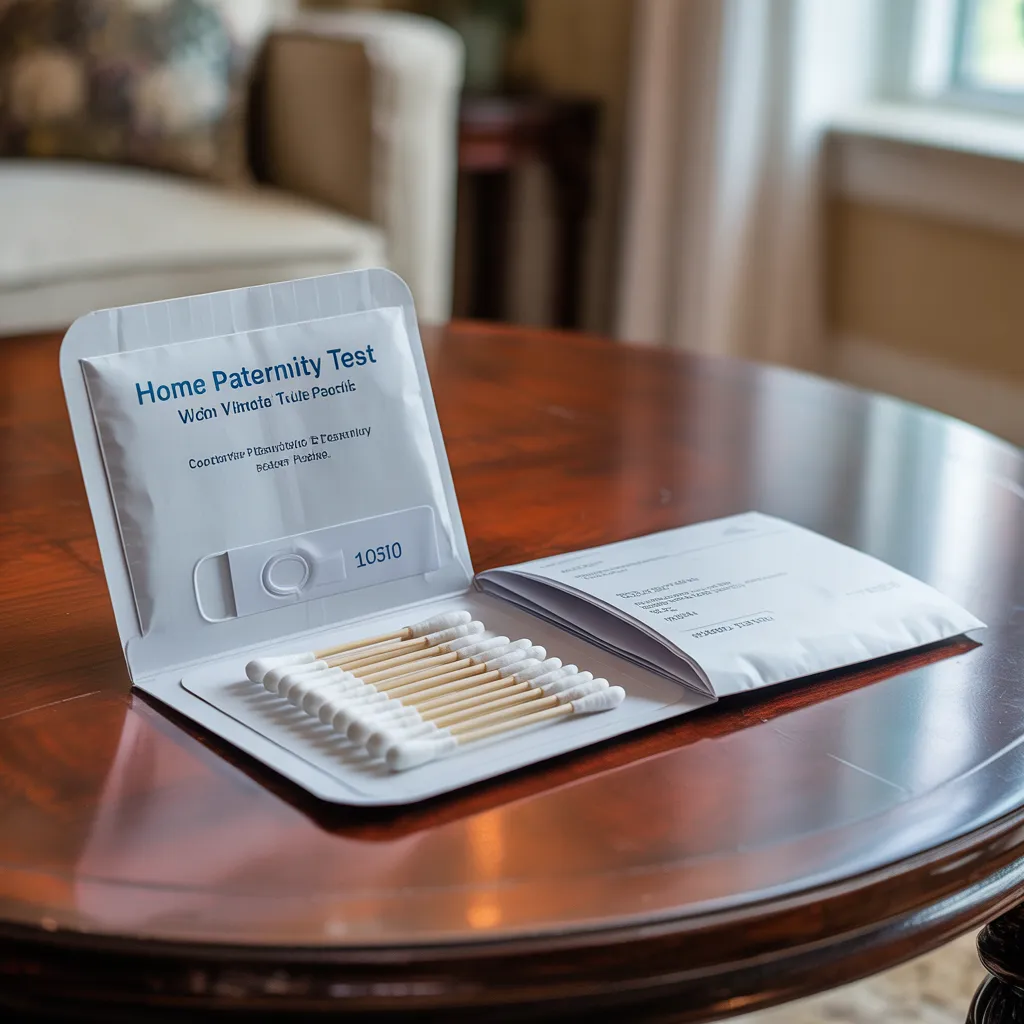
Why Do People Turn to Home Paternity Testing?
What drives people to increasingly pursue home paternity testing? Many people are driven by a desire for certainty regarding parental identity. The accessibility and affordability of these tests have made them appealing options for those grappling with doubts or familial disputes. Furthermore, the ability to perform these tests in the comfort of home, free from the oversight of medical institutions, provides a feeling of privacy and autonomy.
Emotional factors also play a significant role; doubt about a child's biological origins can result in anxiety and emotional turmoil. At-home paternity tests offer a simple and effective way to resolve these issues, commonly enabling individuals to address complex family circumstances. Additionally, social stigma surrounding paternity issues has diminished, promoting transparent dialogue and inspiring individuals to seek resolution. In the end, at-home paternity testing has become an invaluable resource for individuals navigating difficult family circumstances.
The Science Behind Home Paternity Tests
Residential paternity tests utilize sophisticated genetic analysis methods to determine biological relationships. Grasping the precision and dependability of these tests is crucial, as a range of variables can impact test results. Furthermore, the sample acquisition method has a major impact on guaranteeing accurate results.
An Overview of Testing Methodologies
Several testing methods drive the reliability behind home paternity tests, providing exact and credible results. Primarily, these tests use DNA gathering processes, where cheek swabs gather cheek cells from both parties involved. This gentle method facilitates straightforward collection at home. The samples are then analyzed using polymerase chain reaction (PCR) technology, amplifying particular genetic sequences to determine biological connections. Select tests further apply short tandem repeat techniques, reviewing multiple genetic positions to establish paternity likelihood. With innovations within genomic testing methods, home paternity tests have grown widely available, permitting families to discover genetic connections without needing professional laboratory services.
Accuracy and Reliability Factors
While many factors influence the accuracy and reliability of home paternity tests, the sample collection process quality is of utmost importance. The precision of the results copyrights on collecting pure and untainted samples from each individual tested. Elements including the kind of biological specimen collected—commonly oral swabs or saliva samples—may influence the test's results. Moreover, the management and storage conditions of samples before analysis are vital; inadequate storage can cause deterioration or contamination of samples. Testing facilities employ sophisticated DNA examination techniques, but results can only be as accurate as the samples provided. Consequently, adhering to correct collection procedures and manufacturer instructions significantly affects test reliability, thereby establishing the legitimacy of the paternity findings.
Sample Gathering Procedure
Obtaining samples for paternity analysis is a critical step that directly influences the accuracy of the results. Typically, a home paternity test entails collecting buccal swabs from the relevant parties, usually the child and the presumed father. This method is preferred due to its non-invasive nature. Those conducting the test must guarantee that the swabs are taken correctly, adhering to the instructions included with the testing kit, which usually includes pressing the swab inside the cheek for a short period of time. Careful handling is necessary; samples should not be contaminated or brought into contact with foreign substances. Once gathered, the swabs are secured within the supplied containers and dispatched to the laboratory for examination. Adhering to these guidelines enhances the reliability of the test results.
Feelings and Reactions to Paternity Test Results
After obtaining paternity test results, individuals often grapple with a variety of emotional responses, most notably when results deviate from what was anticipated. Shock and denial may surface, complicating the initial reaction and influencing family dynamics. Understanding these emotional responses is essential for navigating the consequences of the results and its effects on family and interpersonal bonds.
Planning for Unpredictable Results
How does one brace for the emotional turmoil that often accompanies paternity test results? People navigating these experiences should recognize the chance of unexpected outcomes, as these results can lead to a variety of emotional responses. Anticipating reactions such as shock, anger, or relief can lessen the blow of these revelations. Establishing a supportive network—whether through close loved ones—where feelings can be freely expressed. Additionally, understanding that these results may challenge long-held beliefs about identity and relationships can build emotional strength. Mentally and emotionally readying oneself may not eliminate distress, but it can create the foundation for a more balanced response to the information. In the end, being conscious of possible emotional challenges is a significant step in traversing this complex terrain.
Dealing With Shock and Denial
Shock and denial often serve as spontaneous, reflexive reactions to the findings of a paternity test. Individuals may initially struggle to accept the findings, struggling with sentiments that extend from incredulity to confusion. This inner turmoil can appear as an unwillingness to recognize the test results, causing people to doubt the reliability of the process or the intentions driving it. The disbelief can result in a momentary standstill, making it difficult to process the implications of the outcome. In this period, personal reflections may center on "What ifs" and "How can this be?" As time moves forward, people may gradually start to face their feelings, but the initial shock can linger, complicating the journey toward acceptance and understanding.
Handling Family Interactions Following a Test
As individuals grapple with the emotional fallout of paternity test results, family relationships can grow increasingly tense. The discovery of unexpected biological connections can lead to emotions of betrayal, disorientation, and resentment. Relationships that once seemed stable may fracture under the weight of new truths, as family members process their emotions differently. Some may seek open dialogue, while others retreat into silence, making meaningful communication even more difficult. Concerns about trust frequently arise, with family members scrutinizing prior interactions and the sincerity of their connections. The impact can ripple beyond immediate family, affecting extended relatives who may feel compelled to take sides. Ultimately, maneuvering these turbulent waters requires empathy and patience as family units address their emotional reactions and work toward reconciliation.
Moral Dilemmas Surrounding Paternity Testing
Although paternity testing provides a way analysis to determine biological connections, it also raises significant ethical dilemmas that can profoundly affect families. One significant worry is the likelihood of psychological distress, particularly if the test reveals unexpected results. Such a disclosure may destabilize family relationships, leading to feelings of betrayal or confusion among relatives. Furthermore, the decision to test without the consent of all parties involved poses ethical questions regarding autonomy and respect for privacy.
Moreover, the commercialization of at-home paternity testing kits can result in misuse or misunderstanding of results, exacerbating feelings of mistrust. There is also the danger of individuals using tests to influence familial relationships for selfish purposes. These challenges emphasize the need for careful consideration and open communication before proceeding with any testing. Ultimately, maneuvering through these ethical challenges requires thoughtfulness to the emotional ramifications and an understanding of the delicate fabric of family dynamics.
Picking the Right Home Paternity Test for You
Choosing the right at-home paternity test demands thoughtful evaluation of numerous aspects that can greatly impact the precision and dependability of results. Those considering the test should first evaluate the credibility of the test provider, looking for positive customer reviews and certifications. Next, the kind of test provided is crucial; some kits provide more extensive analyses than others. Furthermore, users should check whether the test comes with a DNA collection kit and clear instructions to ensure accurate sample gathering.
Price can also be a deciding factor; however, opting for the cheapest option may compromise quality. Furthermore, knowing the turnaround time for results is essential, especially in time-sensitive situations. In addition, people may want to examine the privacy policies of the testing company to make sure their information remains confidential. By thoughtfully assessing these elements, individuals can identify a home paternity test that fulfills their needs and offers trustworthy, accurate findings.
Interpreting Your Test Results
How can individuals accurately interpret the results of their home paternity test? Correctly interpreting these findings demands careful attention and familiarity with the testing procedure. In most cases, the results are displayed as a percentage probability that reflects the likelihood of a paternal relationship. A probability of 99.9% or higher generally confirms a father-child relationship, while results below 99% suggest non-paternity.
It's important to examine the reputation of the testing company and the procedures utilized; outcomes can differ between providers. Additionally, individuals should be aware that home tests are not legally binding and may differ from court-admissible tests.
Analyzing results can further involve comprehending genetic markers and their patterns of inheritance. Seeking guidance from a genetic counselor or healthcare professional can offer clarity, especially when unexpected results emerge. At its core, a complete understanding of the testing process and outcomes encourages more thoughtful decisions about family relationships.
Handling the Aftermath of Paternity Test Results
Receiving paternity test results can bring about a range of emotions, from reassurance to disorientation or even distress. People often find themselves struggling with unexpected revelations that can transform family structures. Supportive measures become essential in managing these complex emotions.
Firstly, connecting with trusted friends or loved ones can foster a sense of community and belonging. Engaging with a professional counselor may also create a supportive setting to navigate emotions and strengthen coping skills. Maintaining a personal journal can provide a therapeutic release, empowering individuals to put their thoughts and emotions into copyright.
Moreover, incorporating personal care routines—such as physical activity, mindfulness, or hobbies—can help mitigate stress and promote emotional well-being. Individuals should allow themselves adequate time to adapt, understanding that coming to terms with such meaningful information is typically a progressive journey. In the end, embracing open communication within the family can foster healing and clarity moving forward.
Questions We Often Receive
Can Home Paternity Tests Be Used as Legal Evidence in Court?
Home paternity tests are typically not accepted as legal evidence in court due to problems with chain of custody and potential contamination. The courts typically demand testing performed by accredited laboratories for legal purposes to guarantee accuracy and reliability.
How Accurate Are Home Paternity Tests Compared to Lab Tests?
Home paternity tests generally provide an accuracy rate of 95-99%, on par with laboratory tests. Nevertheless, differences in sample collection and testing procedures may impact the accuracy of results, making laboratory tests typically more dependable and better suited for legal purposes.
Do Home Paternity Tests Have the Ability to Detect Additional Familial Connections?
Home paternity testing primarily focuses on biological parentage; yet, certain tests can also identify other familial relationships, such as grandparent or sibling relationships. The accuracy of these supplementary relationship results can vary, commonly requiring more in-depth analysis to reach definitive findings.
What Steps Should I Take if Results Are Inconclusive?
Should results prove inconclusive, one ought to seek a professional test for precise analysis. Speaking with a geneticist or counselor can offer guidance and reassurance in understanding the implications of the uncertain results.
Do Age Restrictions Apply When Taking a Home Paternity Test?
Home-based paternity tests usually do not impose age limitations for the individuals involved. That said, it's advisable that underage participants obtain consent from a legal guardian or parent before proceeding with the test, ensuring ethical considerations are respected at every stage of the process.