Discovering Answers: Ways Home Paternity Tests Transform Lives
Home-based paternity tests present a critical chance for individuals seeking clarity about their genetic relationships. They have the power to resolve longstanding questions, initiating challenging discussions within families. Even as the findings can provoke a complex spectrum of sentiments, they equally carry the capacity to reshape personal narratives. As families process these revelations, the matter endures: how will these discoveries affect their bonds and personal identity? The path to clarity begins with the outcomes.
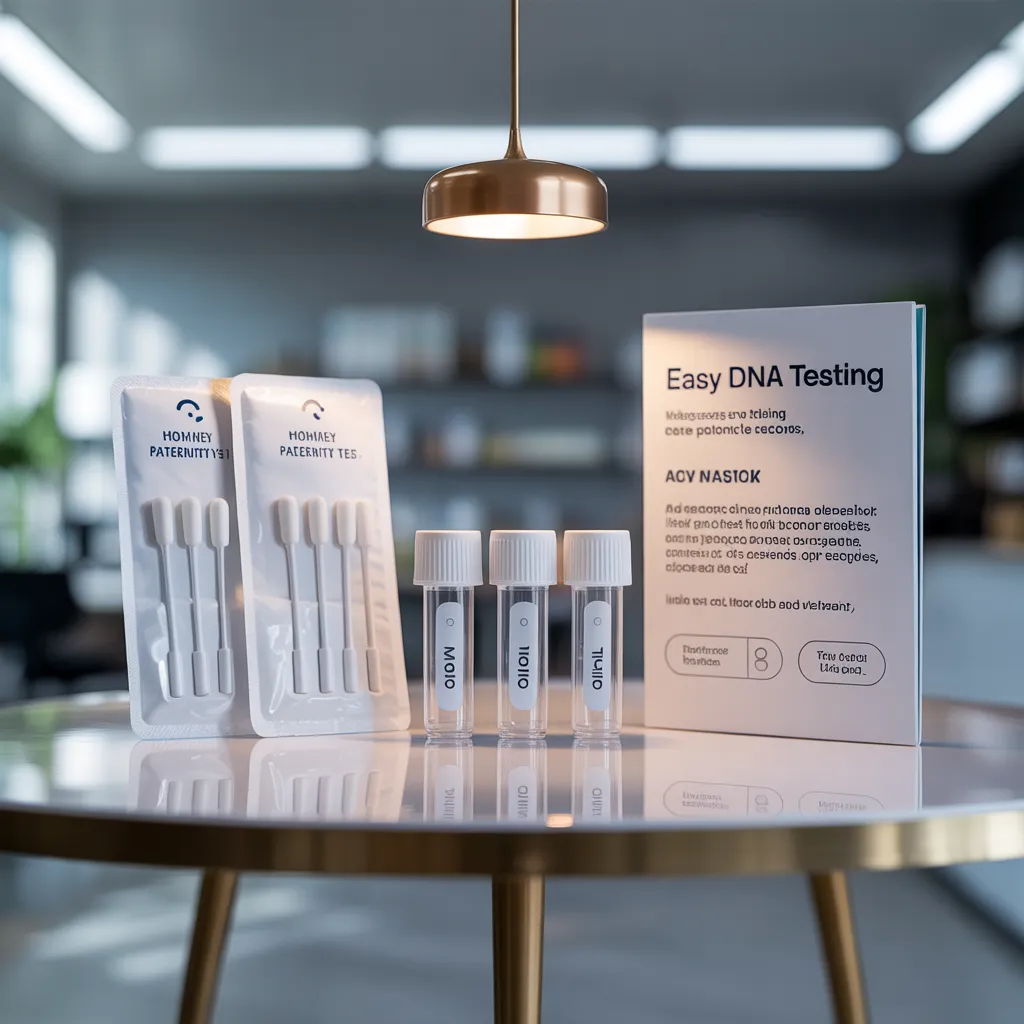
What You Need to Know About Home Paternity Tests
What elements should people evaluate when considering home paternity tests? Initially, people should examine the credibility of the testing company. Reputable providers often offer accredited labs and clear methodologies. Additionally, the precision of results is of utmost importance; many tests claim over 99% accuracy, but consumers must verify these claims through reviews or independent evaluations. Expense is another essential aspect to take into account; although home tests tend to be less expensive than laboratory tests, costs can differ significantly. Moreover, individuals should confirm that the test kit provides comprehensive guidance for sample collection to reduce mistakes. Privacy is also essential; individuals must understand how their genetic information will be stored and used. In closing, think about the psychological consequences of the outcomes, as they may uncover meaningful personal discoveries. Understanding these factors can help individuals make informed decisions about home paternity tests and their potential impact on family dynamics.
How At-Home Tests Deliver Convenience and Privacy
Home-based paternity tests deliver a confidential testing solution, allowing individuals to maintain privacy throughout the process. The easy sample collection approach further improves accessibility, allowing individuals to collect required samples within the privacy of their own homes. This combination of ease and confidentiality makes home tests an appealing option for many seeking answers.
Private Testing Experience
The attraction of confidential testing rests in its ability to give individuals with convenience and privacy while handling sensitive situations. Residential paternity testing kits permit users to handle complex emotional circumstances without the judgment often connected to traditional testing approaches. By facilitating a confidential environment, these tests enable individuals to obtain results at their own time, easing anxiety stemming from potential criticism from family or friends. The packaging is generally unmarked, ensuring confidentiality during delivery and collection. Moreover, the process can be completed in the convenience of a personal setting, avoiding the need for awkward encounters in medical facilities. This confidential approach not only respects personal boundaries but also cultivates a sense of empowerment over the testing process, making it a valuable option for a wide range of people.
Easy Sample Collection Process
Obtaining samples for paternity testing has never been simpler, due to convenient kits specifically designed for at-home use. These kits typically include simple swabs or collection tubes that require minimal effort, allowing users to gather DNA samples conveniently and privately. Each kit provides clear instructions, making certain that participants can accomplish the procedure without uncertainty or pressure. Moreover, the collection process is entirely non-invasive, rendering it suitable for individuals of every age group. This level of convenience empowers individuals to take control of their paternity testing journey, doing away with the necessity for clinic visits and minimizing associated costs. Essentially, home-based paternity tests not only ensure discretion but also cultivate a sense of self-determination in addressing personal family situations.
Exploring the Personal Significance of Paternity DNA Tests
The emotional weight of at-home paternity testing can be significant, often uncovering hidden family truths that alter relationships. While some individuals may feel relief and solace through newfound clarity, others might confront feelings of betrayal or confusion. Understanding these emotional responses is crucial for those working through the intricate nature of identity and family relationships.
Discovering Family Secrets
While many individuals approach paternity tests with curiosity, the emotional consequences frequently reach well beyond simple answers. The disclosure of unforeseen biological ties can disrupt longstanding family narratives, giving rise to sentiments of betrayal or disorientation. For many, learning of a non-biological parentage may invoke deep sorrow over a lost relationship. Conversely, others may find joy in newfound relationships, yet this happiness can be diminished by the disruption of established family structures. The gravity of these discoveries frequently weighs heavily on people, forcing them to navigate complex emotional landscapes. As family secrets emerge, relationships may shift, and trust can be tested, underscoring the significant effect that paternity tests can exert on personal identity and family connections.
Finding Healing Through Clarity
Insight commonly arises as a significant catalyst for recovery in the following of paternity testing. For countless families, the discovery of biological relationships can trigger a complicated blend of emotions, including sadness, anger, and relief. These tests provide definitive answers that can eliminate prolonged ambiguity, permitting families to acknowledge their circumstances. As individuals process the results, they commonly experience the chance to resolve long-held view this guide grievances. This fresh understanding can foster open communication, restoring relationships damaged by concealed facts. In the end, the psychological effect of paternity tests goes past mere genetic connections, presenting a pathway toward acceptance and reconciliation. Through understanding and dialogue, individuals can reshape their journeys into pathways toward self-improvement and recovery.
Powerful Transformations: Real Stories From Real People
In what ways do paternity tests transform lives and relationships? For numerous people, the outcomes can deliver deep clarity and transformation. One man, previously burdened by doubt, discovered through a home paternity test that he was not the biological father of a child he had raised for years. This revelation, while painful, ultimately freed him from the emotional turmoil of uncertainty, allowing him to rebuild his life with honesty.
In a similar situation, a woman looking for resolution from a painful past learned that her father was indeed her birth father, despite years of believing otherwise. This revelation sparked a healing journey, restoring damaged family relationships and fostering deeper connections.
These accounts demonstrate the remarkable impact of at-home paternity tests, altering lives by delivering critical truths, supporting personal advancement, and guiding individuals through intricate emotional situations with newfound clarity and direction.
How Home Paternity Tests Impact Family Dynamics
What happens to family dynamics when hidden truths emerge from home paternity tests? The disclosure of biological ties has the power to reshape existing connections, commonly triggering emotional distress. When a test reveals that a presumed father is not biologically related to a child, it can create rifts, prompting feelings of betrayal and confusion. Conversely, discovering a biological connection can strengthen bonds, fostering a sense of belonging and acceptance.
Families may experience a reassessment of their roles, as individuals navigate the implications of newly discovered details. Siblings could wrestle with altered perceptions of their relationships, while mothers and fathers might face difficulties surrounding trust and open dialogue. In some cases, the outcomes can spark recovery, offering resolution for longstanding doubts. However, the psychological impact remains uncertain, as every household must work through the intricacies of selfhood, loyalty, and family bonds after unforeseen disclosures. At their core, at-home paternity tests function as significant instruments that can deeply alter the structure of family life.
Understanding the Legal Validity of Home Tests
The emotional consequences of home-based paternity tests can cause individuals to look for resolution not only in private relationships but also in their legal standings. Although these tests offer fast results and ease of use, their admissibility in legal contexts varies greatly. In most cases, home tests do not meet the strict standards required for court purposes, as they do not include appropriate chain-of-custody documentation or professional monitoring. Legal authorities frequently mandate officially recognized paternity tests performed in certified facilities, ensuring that the results are admissible in legal proceedings. Furthermore, the use of home tests can lead to potential disputes regarding their accuracy, as they might not be subject to the same strict quality assurance as professional lab tests. People weighing the consequences of at-home paternity testing should recognize that even though these tests can deliver early indications, they might be insufficient for addressing legal issues including custody, child support, or inheritance claims.
What Should You Do After Receiving Your Paternity Test Results?
Following the receipt of paternity test results, individuals commonly experience a mix of emotions and decisions. Whether the outcome confirms or denies biological ties, it is crucial to process these feelings before making additional decisions. First, reaching out to trusted friends or professional counselors can provide emotional relief and clarity.
Following this, parties involved should assess their path forward based on the results. If the test establishes paternity, conversations regarding legal rights and responsibilities may be required, especially in relation to custody arrangements or child support. Conversely, if the test indicates no biological connection, it may prompt a re-evaluation of the nature of relationships and ongoing involvement with the child.
Regardless of the outcome, keeping open lines of communication with involved parties is crucial. As a final point, people might consider choosing to write down their feelings and choices to assist in navigating this significant transition. Every measure undertaken can pave the way for an enlightened and strengthened future.
Common Questions and Answers
Do Home Paternity Tests Offer the Same Accuracy as Laboratory Tests?
Home-based paternity tests have the potential to be accurate, often providing results comparable to laboratory tests. Nevertheless, elements such as sample collection and testing processes can impact reliability, making laboratory tests generally more dependable for definitive conclusions.
What Are the Typical Prices for Home Paternity Tests?
At-home paternity tests generally cost anywhere from $100 to $300, depending on the brand and complexity. Pricing can fluctuate with additional services, like expedited results or additional testing kits to accommodate multiple samples.
Can Home Tests Be Used for Legal Purposes?
Home paternity tests typically cannot be utilized for legal purposes, as they lack the stringent chain-of-custody requirements and professional supervision needed to ensure court admissibility. Legally valid tests must be conducted in certified laboratories to ensure validity.
How Does the Process of Taking a Home Paternity Test Work?
The steps involved in taking an at-home paternity test requires collecting DNA samples, typically through cheek swabs, submitting them to a lab, and then anticipating the findings, which typically come back within a few days to several weeks.
How Much Time Does It Take to Get Test Results?
Typically, individuals can expect to receive home paternity test results within five to seven business days. A number of companies may have rush processing available, potentially reducing the wait time to as little as 24 to 48 hours.